Sensō-ji
Completed in 645, this temple, Tokyo's oldest, was built to honor Kannon, the goddess of mercy.
Sensō-ji is rated 4.6 / 5 from 100,696 Google reviews and sits about 3.4 km (43 min walk) from Shin-ochanomizu station.
General overview
About Sensō-ji
Sensō-ji is Tokyo’s oldest and one of its most famous Buddhist temples, located in Asakusa. Visitors enter through the Kaminarimon (Thunder Gate), walk along Nakamise shopping street, and reach the main temple precinct and Kannondō (main hall). Admission to the temple grounds and main hall is generally free. None of the details below are live-verified; confirm current information on the official website before relying on it.
- Kaminarimon and its giant red lantern
- Nakamise-dōri traditional shopping street
- Hōzōmon (Treasure Gate)
- Kannondō, the main worship hall
- Five-story pagoda
- Traditional incense-burning and temple worship customs
- Illuminated temple buildings after dark
Things to do here
Visit Kannondō main hall
Pay respects to Kannon, the temple’s principal Buddhist figure. Visitors typically make a small offering, bow, and pray from outside the inner sanctuary.
Walk Nakamise-dōri
Browse one of Tokyo’s best-known traditional approach streets, with souvenir shops, sweets, snacks, crafts, and seasonal goods.
See the Kaminarimon
Photograph the iconic entrance gate and its enormous lantern, one of Asakusa’s most recognizable landmarks.
Burn incense at the jōkōro
Visitors commonly place incense in the large burner and gently waft the smoke toward themselves as a traditional practice.
Explore the temple precinct
See the Hōzōmon, five-story pagoda, smaller halls, statues, gardens, and architectural details around the main complex.
Attend a festival or seasonal event
The Sanja Matsuri, Hōzuki-ichi, Tanabata-related events, New Year worship, and other observances bring special activity to the area. Event dates and access arrangements vary.
The nearest stations are Asakusa Station on the Tokyo Metro Ginza Line, Toei Asakusa Line, Tobu Skytree Line, and Tsukuba Express. Allow extra time to walk through crowded Nakamise-dōri. Comfortable shoes are recommended.
No advance booking is normally needed for ordinary temple visits. Check the official site for special ceremonies, exhibitions, or event-specific arrangements.
This overview is general knowledge, not confirmed against an official source — verify hours, prices and entry rules before you go.
Photo gallery
See it before you go
Most asked
How to reach
Sensō-ji is about 3.4 km (~43 min walk) from Shin-ochanomizu station on the Tokyo Metro.
Before you go
Good to know
Verify tickets, seasonal hours, entry rules, and special events on the official website before visiting.
Pair it up
Also near this station
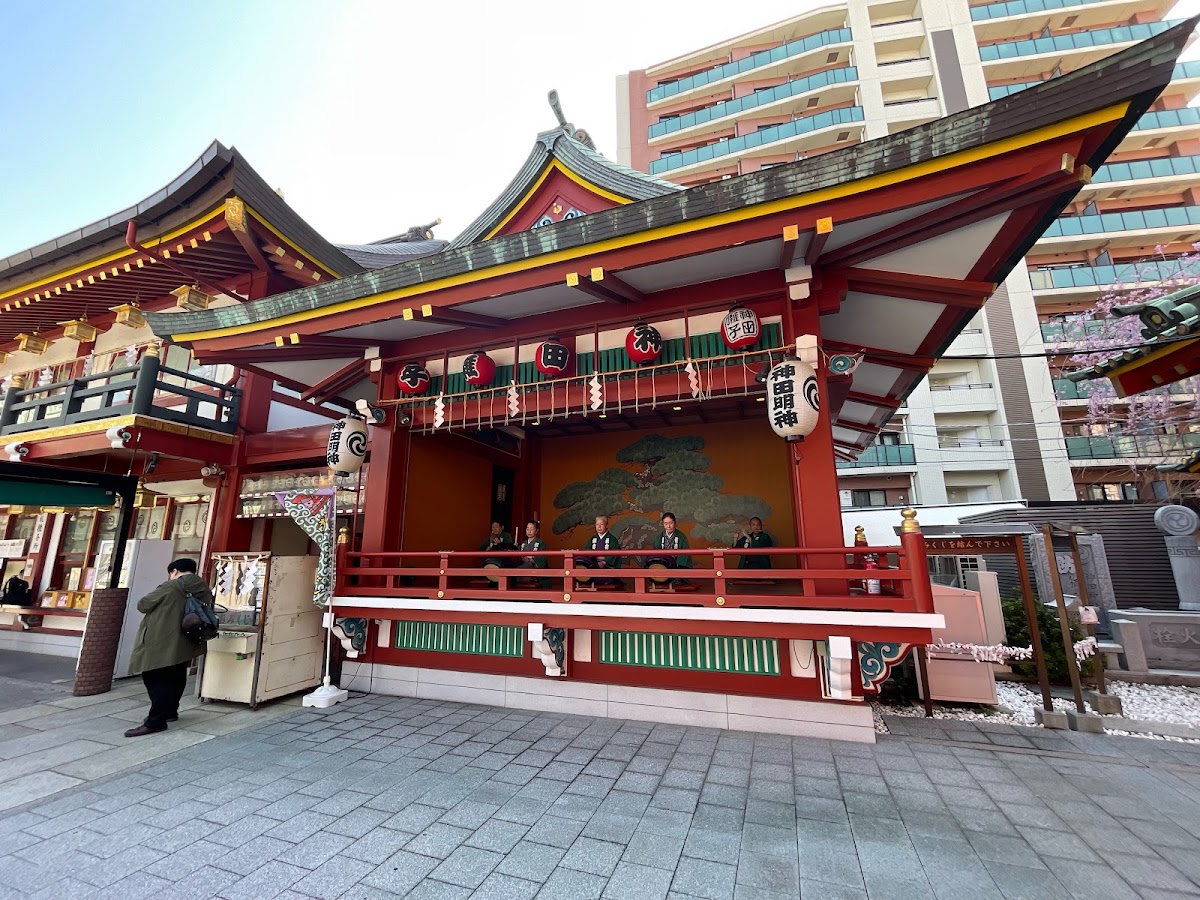
Kanda Shrine (Kanda Myojin)
Places to visit · 7 min walk
★ 4.4
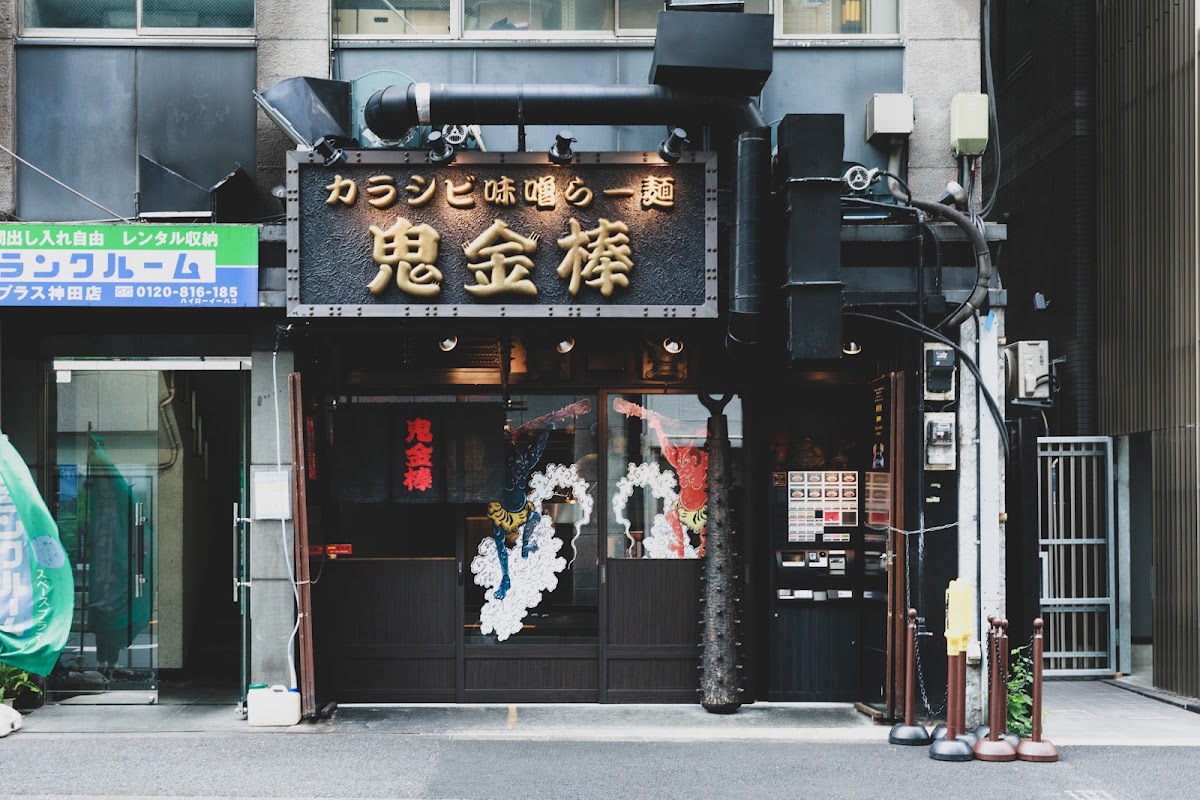
Karashibi Miso Ramen Kikanbo Kanda Honten
Restaurants · 9 min walk
★ 4.4
Tokyo Dome Hotel
Hotels · 16 min walk
★ 4.2
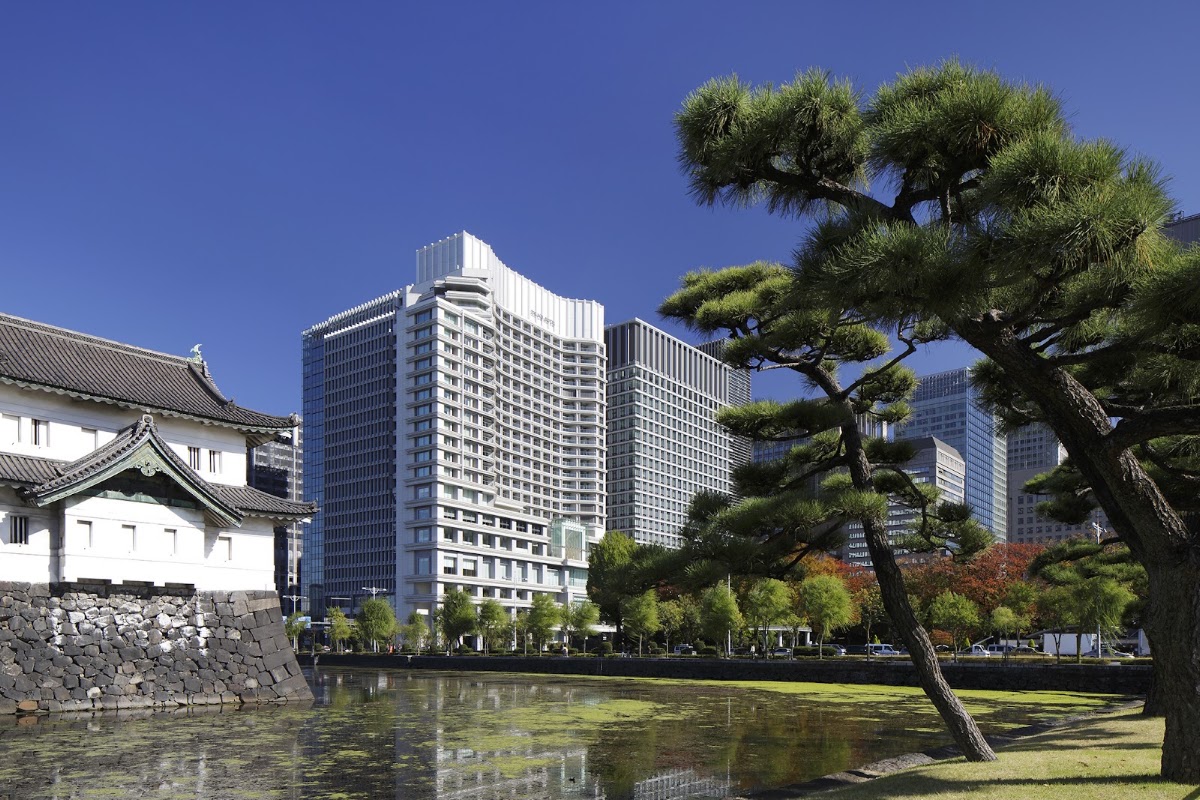
Palace Hotel Tokyo
Hotels · 18 min walk
★ 4.5
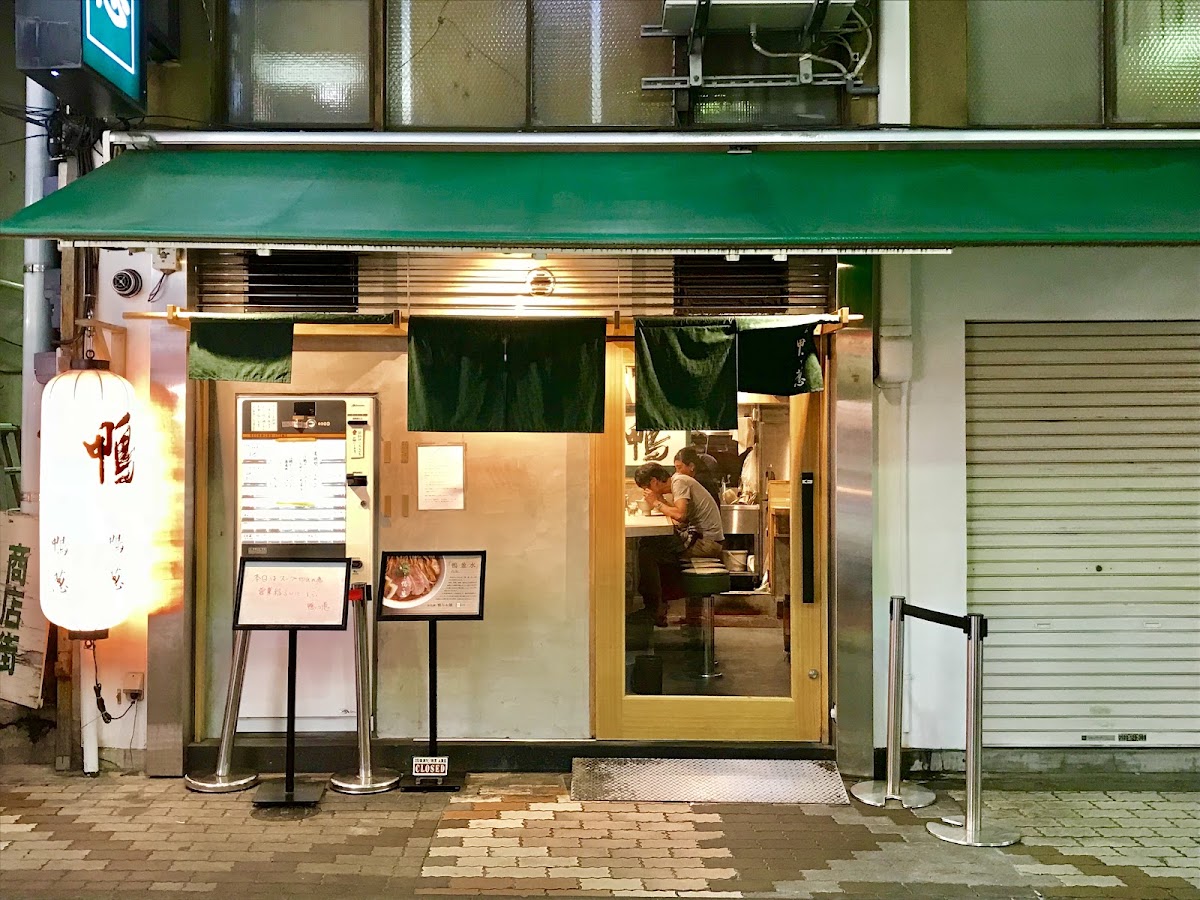
Ramen Kamo to Negi
Restaurants · 19 min walk
★ 4.5

MARUZEN Marunouchi
Restaurants · 19 min walk
★ 4.4
Frequently asked questions
How do I get to Sensō-ji from Shin-ochanomizu station?
Sensō-ji is about 3414 m (roughly 43 min walk) from Shin-ochanomizu station on the Tokyo Metro. Use the directions link on this page for turn-by-turn walking directions.
What is Sensō-ji rated?
Sensō-ji has a Google rating of 4.6 out of 5 from 100,696 reviews.
What's near Sensō-ji?
Also within a short walk of the same station: Kanda Shrine (Kanda Myojin), Karashibi Miso Ramen Kikanbo Kanda Honten, Tokyo Dome Hotel.
Is Sensō-ji free to visit?
Yes. General access to the temple grounds and main hall is generally free. Donations, charms, fortune slips, and some special activities may cost money.
Can I visit Sensō-ji at night?
The grounds and exterior gates can generally be viewed after the main hall closes, and the buildings are often illuminated in the evening. Interior access is usually limited after daytime hours.
How long should I spend there?
Allow about one to two hours for Sensō-ji and Nakamise-dōri, or longer if exploring Asakusa more broadly.
What is the best entrance?
Most visitors begin at Kaminarimon, then proceed along Nakamise-dōri toward Hōzōmon and Kannondō.
Can I take photos?
Exterior photography is generally allowed, but be respectful, avoid blocking paths, and observe any no-photography signs or instructions inside halls and during ceremonies.
Is Sensō-ji a shrine or a temple?
Sensō-ji is a Buddhist temple. Asakusa Shrine, located nearby within the historic complex area, is a separate Shinto shrine.
What should I wear?
There is no strict tourist dress code, but modest clothing and respectful behavior are appropriate, especially when entering worship halls.
Are there large crowds?
Yes. Sensō-ji is one of Tokyo’s busiest attractions, especially on weekends, holidays, festival days, and around New Year. Early morning is usually the calmest period.
Data and photos from Google Places, generated October 27, 2026. Ratings, hours and prices can change — confirm anything time-sensitive before you go.