Kanda Shrine (Kanda Myojin)
Venerable Shinto shrine moved to its current locale in 1616, with vibrant vermilion & gold coloring.
Kanda Shrine (Kanda Myojin) is rated 4.4 / 5 from 26,475 Google reviews and sits about 572 m (7 min walk) from Shin-ochanomizu station.
General overview
About Kanda Shrine (Kanda Myojin)
Kanda Shrine, also known as Kanda Myojin, is one of Tokyo's best-known Shinto shrines. Founded in 730 and associated with Kanda, Nihonbashi, Akihabara, and parts of Tokyo's historic downtown, it is especially known for the Kanda Matsuri, business prosperity blessings, traditional architecture, and its connection with Akihabara pop culture.
- Historic Shinto shrine with origins traditionally dated to 730
- Bright vermilion shrine buildings and richly decorated gates
- Home of the major Kanda Matsuri festival, held in odd-numbered years
- Popular for blessings related to business success, prosperity, family safety, and protection
- Close to Akihabara and suitable for combining with an electronics, anime, or gaming-area visit
- On-site EDO Culture Complex (EDOCCO), offering cultural events, shops, and visitor services
Things to do here
Shrine visit and worship
Enter the grounds, purify at the temizuya, make an offering, and pray at the main shrine using the customary bow-and-clap procedure.
View the shrine architecture
See the ornate main hall, gates, surrounding subsidiary shrines, and decorative details associated with Kanda Myojin.
Obtain an omamori or goshuin
The shrine is known for protective amulets, business-related charms, and commemorative red seals. Availability and designs vary.
Visit EDOCCO
Explore the shrine's cultural and commercial complex, which may host workshops, exhibitions, performances, and a shop.
Attend a festival or seasonal ceremony
The Kanda Matsuri is the major event, while New Year, Setsubun, and other seasonal observances can also be lively.
Combine with Akihabara
Kanda Shrine is within easy walking distance of Akihabara and is a convenient cultural stop during a visit to the district.
The shrine is uphill from the surrounding streets and involves stairs or sloped approaches. Akihabara, Ochanomizu, and Suehirocho stations are commonly used access points. Arrive early during festivals and New Year.
No advance booking is normally needed for ordinary shrine worship. Reserve or check separately for ceremonies, workshops, performances, and special EDOCCO programs.
This overview is general knowledge, not confirmed against an official source — verify hours, prices and entry rules before you go.
Photo gallery
See it before you go
Most asked
How to reach
Kanda Shrine (Kanda Myojin) is about 572 m (~7 min walk) from Shin-ochanomizu station on the Tokyo Metro.
Before you go
Good to know
Verify tickets, seasonal hours, entry rules, and special events on the official website before visiting.
Pair it up
Also near this station
Frequently asked questions
How do I get to Kanda Shrine (Kanda Myojin) from Shin-ochanomizu station?
Kanda Shrine (Kanda Myojin) is about 572 m (roughly 7 min walk) from Shin-ochanomizu station on the Tokyo Metro. Use the directions link on this page for turn-by-turn walking directions.
What is Kanda Shrine (Kanda Myojin) rated?
Kanda Shrine (Kanda Myojin) has a Google rating of 4.4 out of 5 from 26,475 reviews.
What's near Kanda Shrine (Kanda Myojin)?
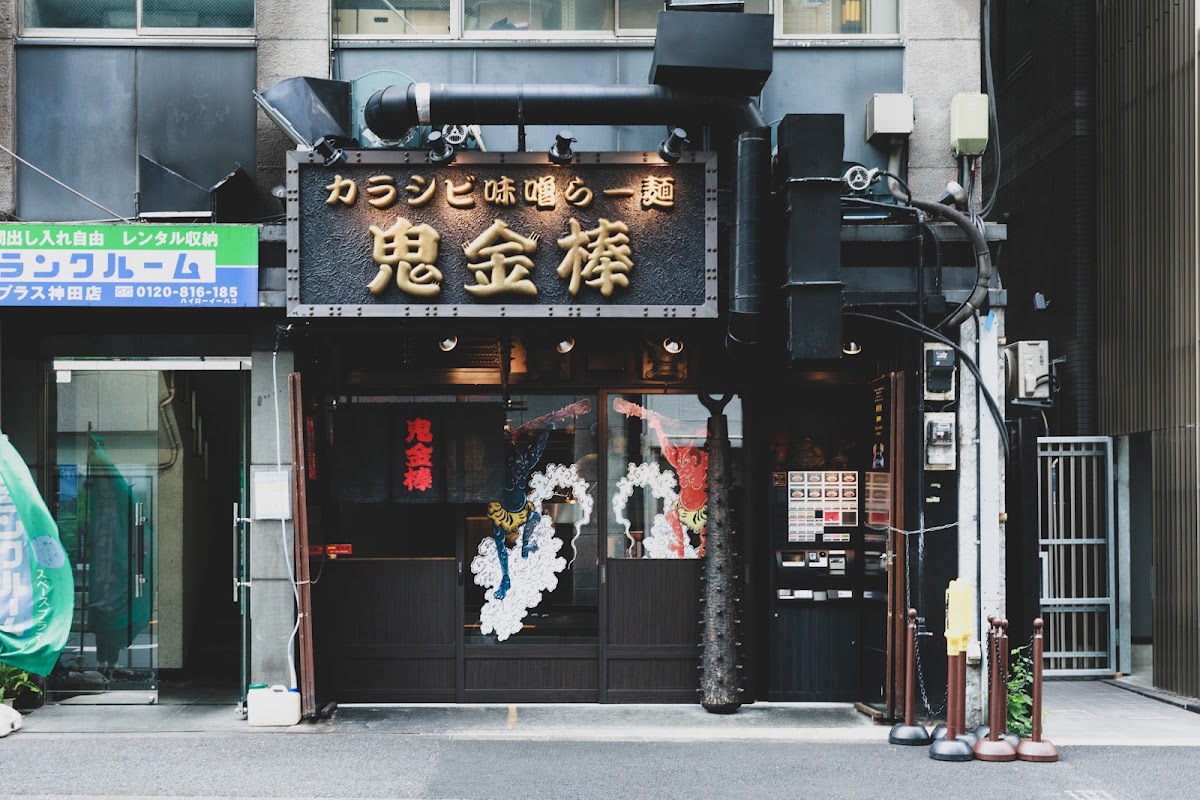
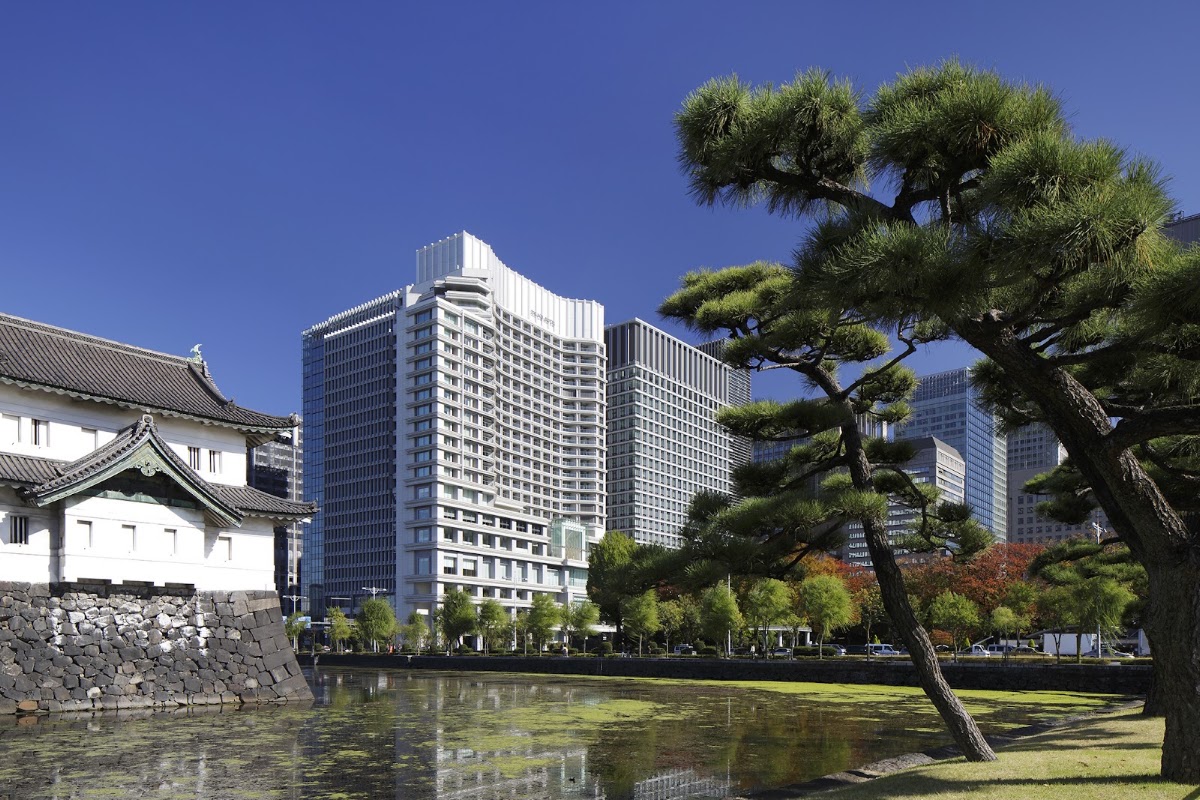
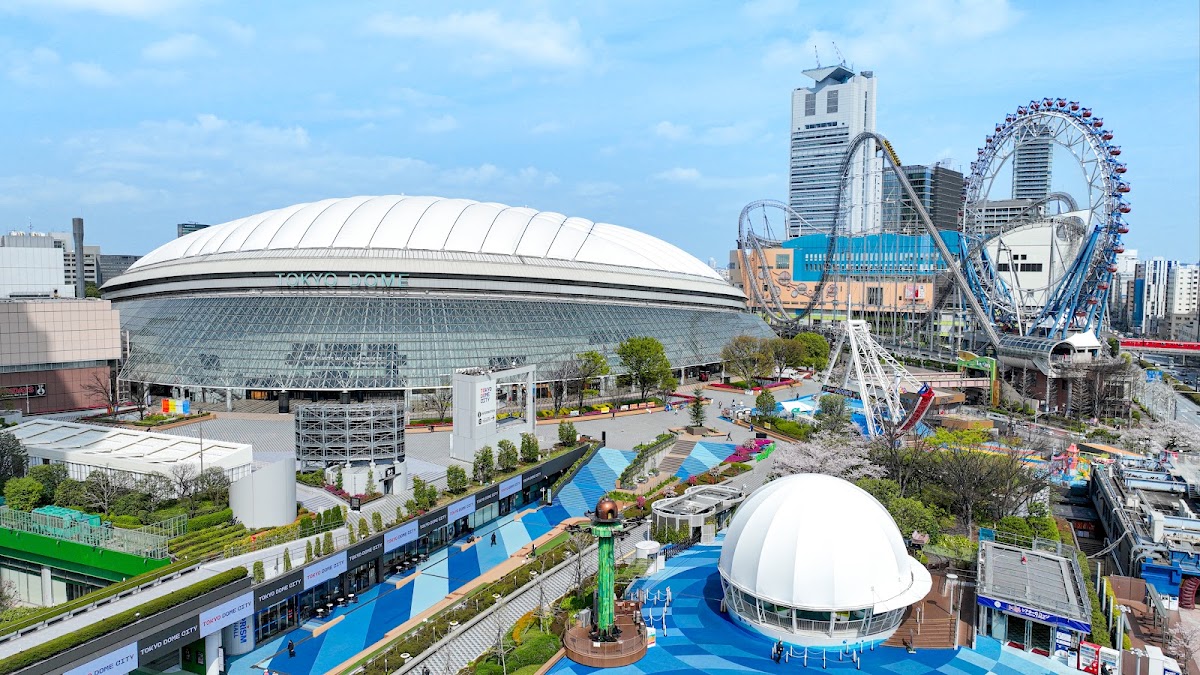
Also within a short walk of the same station: Karashibi Miso Ramen Kikanbo Kanda Honten, Tokyo Dome Hotel, Palace Hotel Tokyo.
Is there parking near Kanda Shrine (Kanda Myojin)?
Google lists these parking options near Kanda Shrine (Kanda Myojin): paid street parking.
Is Kanda Shrine free to visit?
Yes. Ordinary entry to the shrine grounds and worship are generally free. Amulets, goshuin, ceremonies, workshops, and special events may involve separate fees.
How long should I spend there?
Allow about 30–60 minutes for the main shrine visit. Add more time for EDOCCO, shopping, cultural activities, or a festival.
What is Kanda Shrine famous for?
It is famous for the Kanda Matsuri, its long history, ornate architecture, blessings for business and prosperity, and its proximity and cultural connection to Akihabara.
Can I get a goshuin there?
Goshuin are generally available from the shrine service counter during its operating hours. Bring a goshuincho if you have one; designs, fees, and availability can change.
Is the shrine open at night?
The grounds may be accessible outside service-counter hours, but amulets, goshuin, ceremonies, and other services generally require visiting during daytime office hours. Confirm current access rules before visiting late.
When is the Kanda Matsuri held?
The principal Kanda Matsuri is traditionally held in odd-numbered years, with major events usually taking place in May. Smaller related events and annual observances may occur in other years.
Can I visit during New Year?
Yes, but New Year is one of the busiest periods. Expect queues, crowd-control measures, temporary schedules, and potentially longer travel times.
Is it close to Akihabara?
Yes. It is readily walkable from central Akihabara, although the approach includes an incline and may take roughly 10–15 minutes depending on the starting point.
Can visitors enter the shrine buildings?
Visitors can normally approach the worship area, but access to inner or sacred areas is restricted. Formal prayers or ceremonies may allow limited entry by arrangement.
Data and photos from Google Places, generated October 27, 2026. Ratings, hours and prices can change — confirm anything time-sensitive before you go.