Nishiarai Daishi
Large Buddhist temple complex with gardens, ponds & seasonally blooming peonies & wisteria.
Nishiarai Daishi is rated 4.2 / 5 from 6,989 Google reviews and sits about 4.5 km (56 min walk) from Ayase station.
General overview
About Nishiarai Daishi
Nishiarai Daishi, formally known as Gochisan Henjō-in Sōji-ji, is a historic Shingon Buddhist temple in Adachi City, Tokyo. It is especially known for its goma fire-prayer ceremonies, seasonal flowers, traditional architecture, and a lively New Year pilgrimage. Temple grounds are generally free to visit, while prayers and some services require a fee. The details below are based on general knowledge and training data, not live verification.
- Historic Shingon Buddhist temple founded in the ninth century and associated with Kūkai (Kōbō Daishi).
- One of Tokyo’s well-known temples for hatsumōde, or first shrine/temple visit of the New Year.
- Goma fire-prayer ceremonies and other Buddhist memorial services.
- Seasonal flowers, particularly peonies, wisteria, irises, and lotus depending on the season.
- Traditional temple buildings, gates, Buddhist images, incense, and a calm temple precinct away from central Tokyo.
Things to do here
Explore the temple precinct
Walk through the gates and grounds, view the main hall and other temple structures, offer incense, and observe Buddhist worship customs.
Goma fire-prayer ceremony
Attend or apply for a traditional goma ritual in which wooden prayer sticks are burned before a Buddhist fire altar. Participation and timing depend on the temple’s daily schedule.
Seasonal flower viewing
Visit during the flowering seasons to see the temple’s gardens and plantings, including peonies and other spring and summer flowers.
New Year pilgrimage
Experience one of the temple’s busiest periods, when large crowds visit for hatsumōde, charms, blessings, and prayers.
Temple markets and local walks
On certain festival or temple-event days, the surrounding area may have stalls or a more festive atmosphere. Offerings vary by date.
The temple is convenient by train via Daishimae Station on the Tobu Daishi Line, with Nishiarai Station also within walking distance. Expect significant crowding and transport queues around New Year and major festivals.
Ordinary sightseeing usually does not require advance booking. Special Buddhist services, group visits, or formal prayers may require advance arrangements.
This overview is general knowledge, not confirmed against an official source — verify hours, prices and entry rules before you go.
Photo gallery
See it before you go
Most asked
How to reach
Nishiarai Daishi is about 4.5 km (~56 min walk) from Ayase station on the Tokyo Metro.
Before you go
Good to know
Verify tickets, seasonal hours, entry rules, and special events on the official website before visiting.
Pair it up
Also near this station

APA Hotel Ayase-Ekimae
Hotels · 2 min walk
★ 4.2
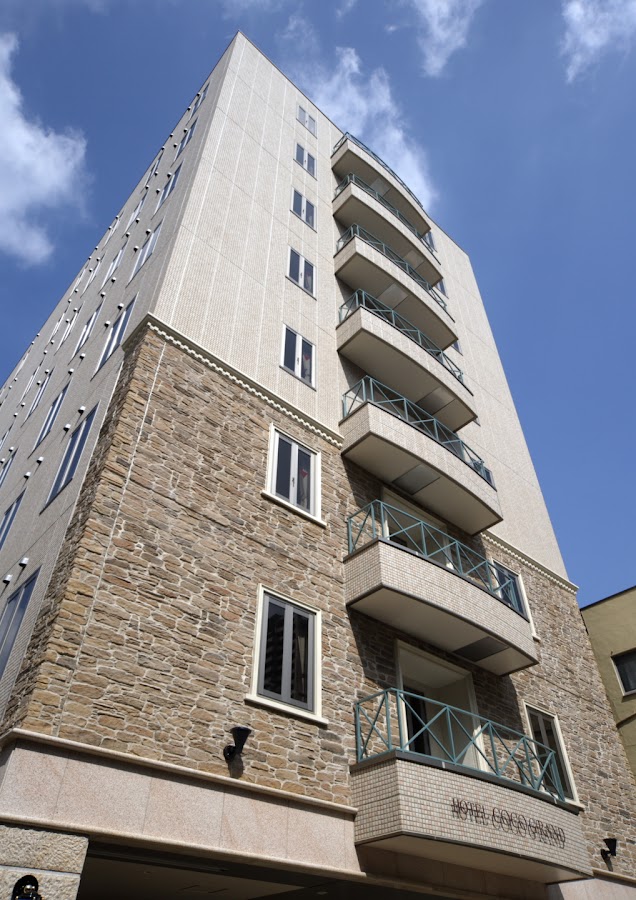
Hotel Coco Grand Kitasenju
Hotels · 29 min walk
★ 4.1
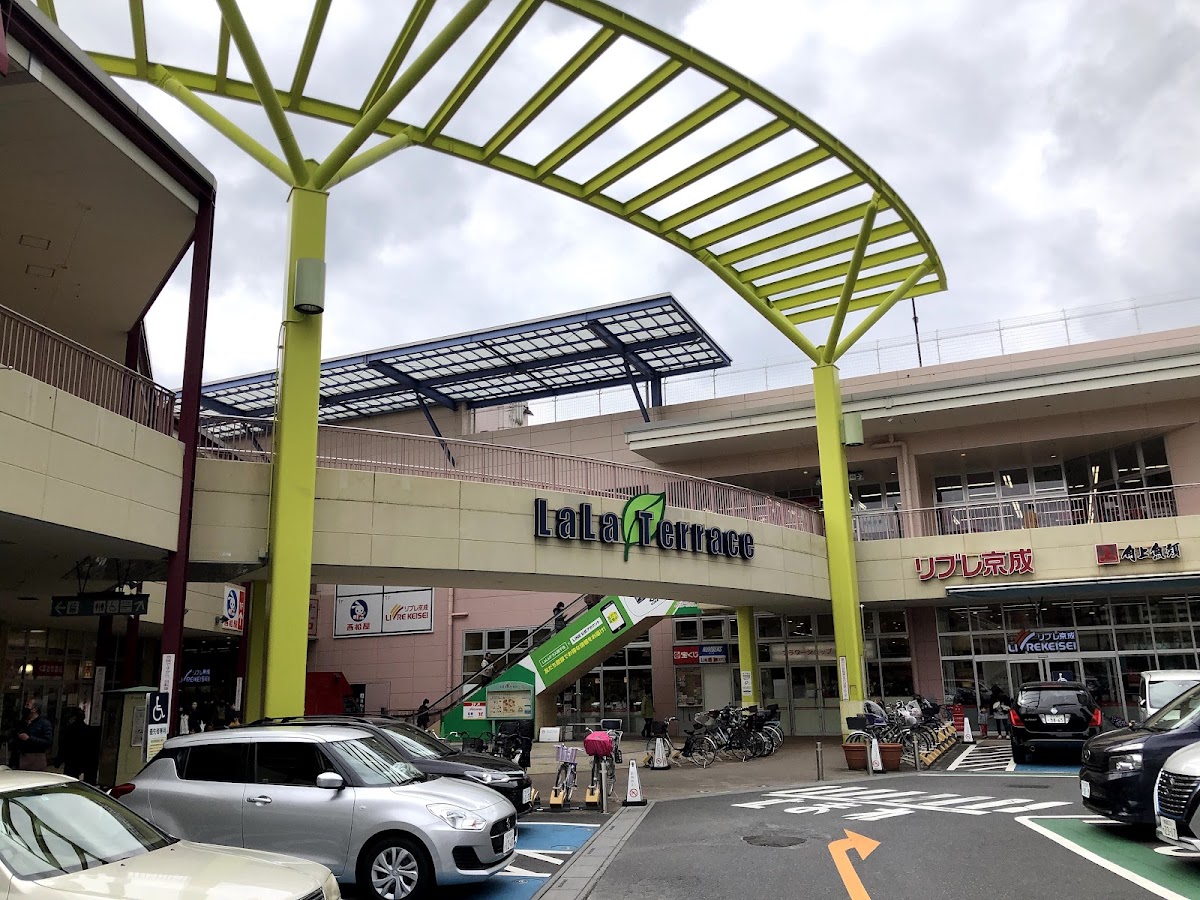
Kakujogyorui Minamisenjuten
Restaurants · 45 min walk
★ 4.1
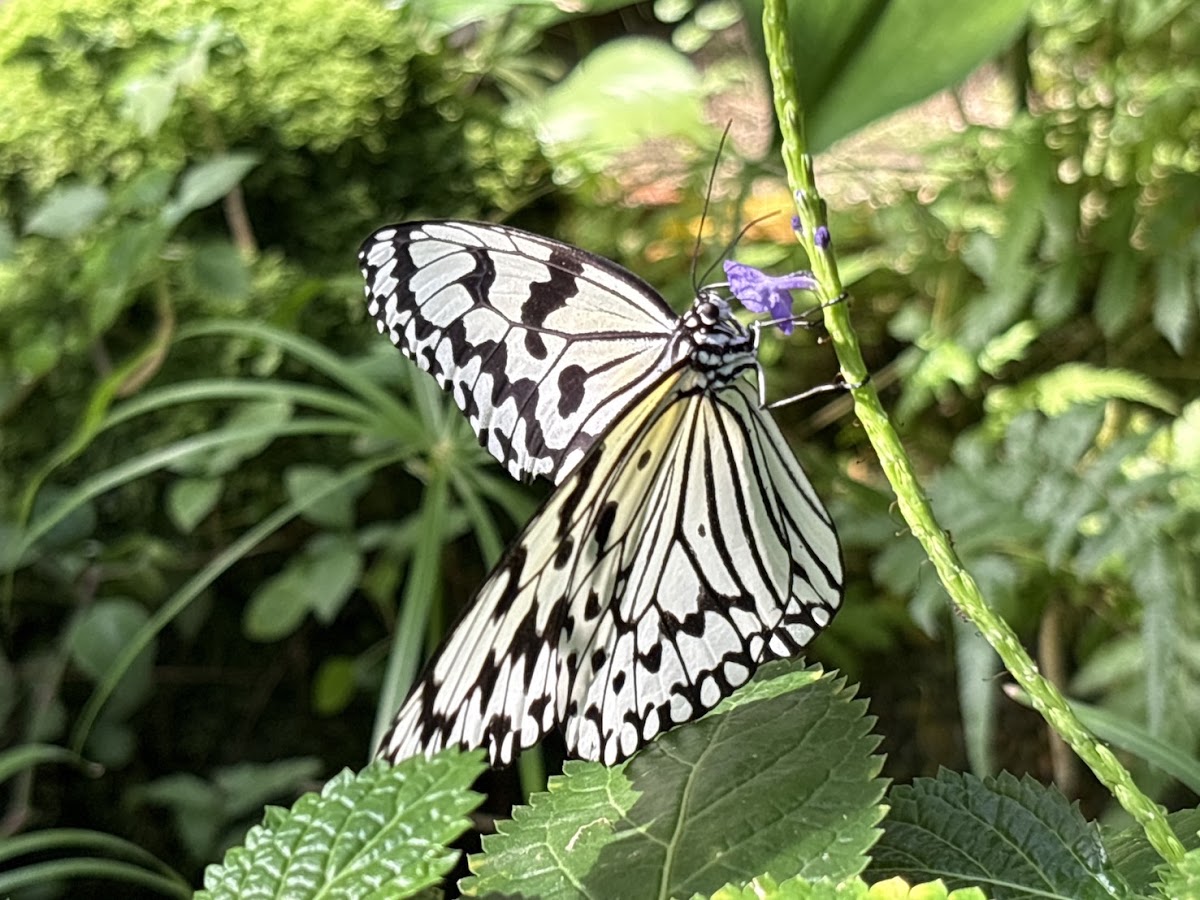
Adachi Park of Living Things
Places to visit · 47 min walk
★ 4.5

TOHO Cinemas Nishiarai
Restaurants · 48 min walk
★ 4.0
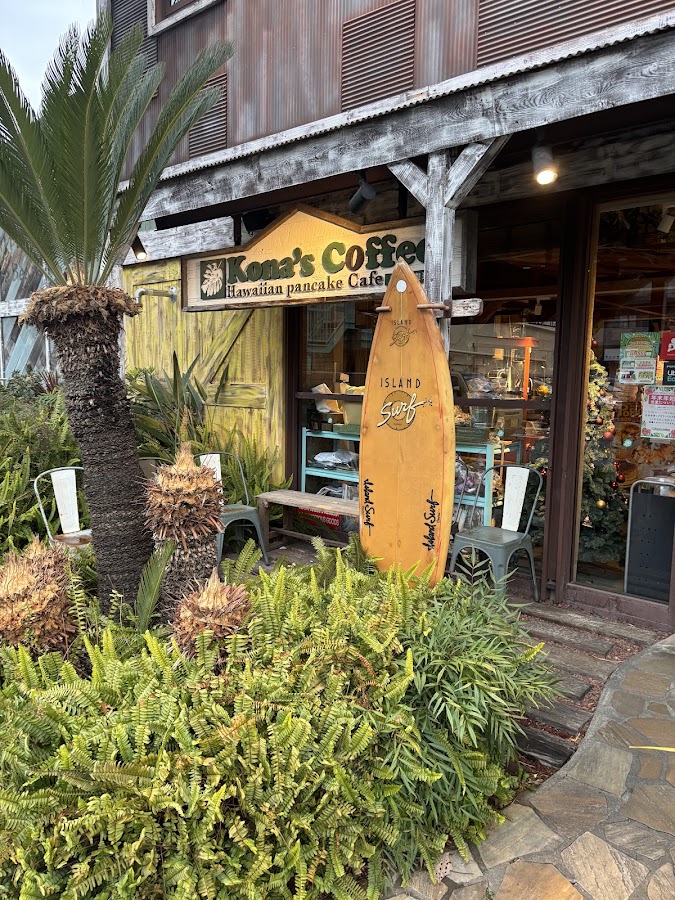
Kona’s Coffee Adachi
Restaurants · 51 min walk
★ 4.1
Frequently asked questions
How do I get to Nishiarai Daishi from Ayase station?
Nishiarai Daishi is about 4508 m (roughly 56 min walk) from Ayase station on the Tokyo Metro. Use the directions link on this page for turn-by-turn walking directions.
What is Nishiarai Daishi rated?
Nishiarai Daishi has a Google rating of 4.2 out of 5 from 6,989 reviews.
What's near Nishiarai Daishi?
Also within a short walk of the same station: APA Hotel Ayase-Ekimae, Hotel Coco Grand Kitasenju, Kakujogyorui Minamisenjuten.
Is Nishiarai Daishi wheelchair accessible?
Yes — Google lists the following accessibility features for Nishiarai Daishi: wheelchair-accessible entrance.
Is Nishiarai Daishi free to enter?
The general temple grounds are generally free. Goma prayers, memorial services, special events, or certain seasonal attractions may involve an offering or separate fee.
How do I get there?
The closest station is generally Daishimae Station on the Tobu Daishi Line. Nishiarai Station is also a practical access point and is within walking distance.
Can visitors attend a goma fire ceremony?
Visitors may be able to observe or apply for a goma prayer, depending on the day and ceremony schedule. Ask at the temple office and follow staff instructions.
What is the best season to visit?
Spring is popular for flowers, and other seasonal blooms may continue into summer. For a quieter experience, choose a weekday outside New Year and major festival dates.
Is it suitable for children?
Yes. Children can enjoy the open grounds, architecture, and seasonal flowers, although adults should supervise them around incense, steps, ceremonies, and crowded events.
Can I take photographs?
Outdoor photography is generally possible, but restrictions may apply inside halls and during religious ceremonies. Do not photograph people without consent and obey posted notices.
How long should I spend there?
A basic visit usually takes about 45–90 minutes. Allow additional time for prayer, flower viewing, shopping, or festival crowds.
Is English information available?
Some basic information may be available online or on signs, but comprehensive English visitor support should not be assumed. Having the Japanese temple name, 西新井大師, available can help with directions.
Data and photos from Google Places, generated October 27, 2026. Ratings, hours and prices can change — confirm anything time-sensitive before you go.